Biblical Theology vs Systematic Theology: Understanding the Difference in Reformed Covenant Theology
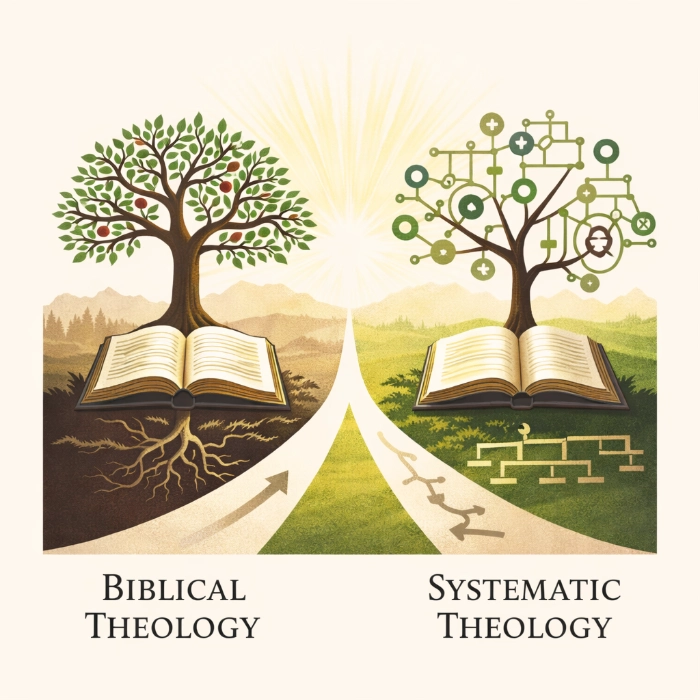
Biblical Theology vs Systematic Theology
Understanding the difference between biblical theology vs systematic theology is essential for anyone seeking to interpret Scripture faithfully. In Reformed covenant theology, both approaches are not in competition but work together to provide a fuller understanding of God’s redemptive plan. Each serves a distinct purpose, and when properly used, they complement one another in revealing the unity, depth, and clarity of Scripture.
Biblical theology focuses on the unfolding story of Scripture across redemptive history. It traces how God progressively reveals His purposes from Genesis to Revelation. Rather than organizing doctrine by topic, biblical theology follows the timeline of the Bible, emphasizing how earlier revelation leads to later fulfillment. This approach highlights themes such as covenant, kingdom, promise, and fulfillment, showing how all Scripture ultimately points to Jesus Christ.
From a covenant theology perspective, biblical theology is especially valuable because it reveals the continuity of God’s plan. It shows how the covenant of grace unfolds through various administrations—beginning with the promise in Genesis 3:15, developing through Abraham, Moses, and David, and culminating in the new covenant established by Christ. By tracing these developments, biblical theology helps believers see that the Bible is not a collection of disconnected books, but one unified story centered on redemption.
For example, biblical theology allows us to see how the sacrificial system in the Old Testament anticipates the atoning work of Christ. The Passover lamb, the Day of Atonement, and the priesthood all function as types and shadows pointing forward to Jesus. This forward movement is essential to understanding how the Old Testament relates to the New and why Christ is the fulfillment of all God’s promises.
In contrast, systematic theology organizes biblical teaching by topic. It gathers all relevant Scripture on a particular doctrine—such as God, sin, salvation, or the church—and presents it in a logical, structured way. This approach seeks to answer theological questions clearly and comprehensively, often using categories like the doctrines of grace, justification, sanctification, and the nature of Christ.
Systematic theology is crucial for clarity and precision. It allows believers to define what the Bible teaches about key doctrines and to defend those teachings against error. For example, when discussing the doctrine of justification, systematic theology brings together passages from Romans, Galatians, and other parts of Scripture to explain that salvation is by grace alone through faith alone in Christ alone. This structured approach ensures that theology is not left vague or fragmented.
In Reformed theology, systematic theology often emphasizes doctrines such as federal headship, imputation of sin and righteousness, and the sovereignty of God in salvation. These doctrines are not invented by systematic theology but drawn from Scripture and organized in a way that makes them clear and teachable. Without systematic theology, it would be difficult to articulate and defend the gospel with precision.
The key difference between biblical theology vs systematic theology lies in their method and emphasis. Biblical theology asks, “How does this doctrine develop throughout Scripture?” while systematic theology asks, “What does the whole Bible teach about this doctrine?” One follows the storyline of redemption, while the other organizes the teachings of Scripture into coherent categories.
From a covenant theology perspective, both approaches are necessary. Biblical theology ensures that we read the Bible in context, respecting the progressive nature of revelation. It prevents us from imposing later theological conclusions onto earlier texts without understanding their original setting. At the same time, systematic theology ensures that we do not miss the full scope of biblical teaching by focusing too narrowly on individual passages.
When these two approaches are combined, they provide a powerful framework for understanding Scripture. Biblical theology shows us that Christ is the fulfillment of God’s covenant promises, while systematic theology explains how His work accomplishes salvation through doctrines like justification and imputation. Together, they reinforce the central message of the Bible: that God saves sinners through the person and work of Jesus Christ.
This balance is especially important in a time when many either overemphasize narrative without doctrinal clarity or focus on doctrine without appreciating the unfolding story of Scripture. A healthy theological approach recognizes that God has revealed Himself both progressively in history and comprehensively in His Word.
Practically, this means that believers should read the Bible with both perspectives in mind. When studying a passage, it is helpful to ask how it fits into the larger story of redemption and what it teaches about God’s character and saving work. This approach deepens understanding, strengthens faith, and leads to a more Christ-centered reading of Scripture.
In summary, the distinction between biblical theology vs systematic theology is not a division but a partnership. Biblical theology traces the unfolding of God’s covenant plan through history, while systematic theology organizes and clarifies the doctrines that arise from that plan. Together, they provide a complete and coherent understanding of Scripture, helping believers see the unity of the Bible and the centrality of Christ in all of God’s redemptive purposes.