Jesus Casts Demons into a Herd of Pigs
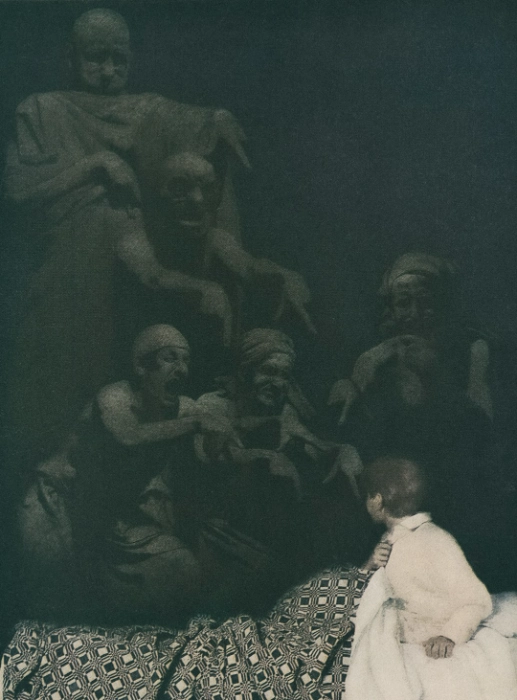
The miracle of Christ casting demons into a herd of pigs is an intriguing and significant event in the Gospels, specifically recorded in Matthew 8:28–34, Mark 5:1–20, and Luke 8:26–39. This event takes place in the region of the Gadarenes, across the Sea of Galilee, where Jesus encounters two men possessed by demons. This miracle offers rich theological insights into the nature of Christ's authority, the reality of spiritual warfare, and God's redemptive plan.
The Context and the Miracle
Upon arriving in the region of the Gadarenes, Jesus is immediately confronted by two men possessed by violent demons. These men lived among the tombs, isolated from society, and were uncontrollable. The demons, recognizing Christ's authority, cry out, "What have you to do with us, Son of God? Have you come here to torment us before the time?" (Matthew 8:29). The demons beg Jesus not to send them into the abyss but into a herd of pigs nearby. Jesus grants their request, and the demons leave the men, enter the pigs, and cause the herd to rush violently into the sea, where they drown.
This miracle can be understood in several ways:
Christ’s Authority over Evil:
First and foremost, this miracle demonstrates the absolute authority of Jesus over the spiritual realm. The demons, who have held these men in bondage, immediately recognize Jesus as the Son of God and acknowledge His dominion over them. Christ’s power is not limited by human constraints; He is sovereign over all creation, including the demonic forces. This emphasizes Christ's kingship and His role as the ultimate ruler, defeating Satan and all his works.The Reality of Spiritual Warfare:
It emphasizes the ongoing reality of spiritual warfare in the life of the believer. The presence of demons in the world is not metaphorical but a real part of the fallen world. Christ’s confrontation with these demons illustrates His mission to defeat the forces of darkness. The exorcism serves as a visible sign of His kingdom advancing against the dominion of Satan, which will ultimately be fully realized at Christ’s return.The Redemptive Nature of Christ’s Work:
This miracle points to the broader theme of Christ’s redemptive work. Christ's authority over demons is a foretaste of His victory over sin, death, and hell. The casting out of demons can be understood as a demonstration of how Jesus came to free humanity from the bondage of sin and evil. The healed men represent the restoration of mankind from spiritual death to life in Christ, a restoration made possible through the New Covenant.
This also underscores the unity of God’s redemptive plan throughout Scripture, sees this event as part of the unfolding covenant promises. In this case, Christ’s actions are a sign of the fulfillment of God's promises to deliver His people from evil. From a covenantal perspective, the miracle points to the establishment of a new spiritual reality in which Christ, as the mediator of the New Covenant, has come to deliver His people from the dominion of darkness.
Furthermore, the fact that the demons are sent into the pigs rather than into the abyss highlights the tension between the inaugurated kingdom of God and the yet-to-be-fully-realized consummation of that kingdom. In the coming new creation, evil will be completely eradicated, but in the interim, Christ's victory over evil is seen in part through such miraculous acts.
Conclusion
In summary, the miracle of Christ casting out demons into the herd of pigs is a powerful demonstration of Christ’s authority over the spiritual realm, His redemptive work, and the ongoing reality of spiritual warfare. It points forward to the ultimate victory of Christ in the New Covenant, where the effects of sin and evil will be decisively undone. This miracle is not just about the physical healing of two men but symbolizes Christ’s broader mission to restore creation, fulfilling the promises of God to His people and ensuring that the kingdom of God will one day be fully realized.